🇹🇭 เกาหลีในฐานะแบรนด์: ถอดรหัสการตลาดระดับชาติสู่สายตาชาวโลก
เราคุ้นกับคำว่าแบรนด์ในสินค้า แต่ “ประเทศ” ก็สร้างแบรนด์ได้ และเกาหลีใต้ทำได้ชัดจนทั้งโลกจดจำ บทความนี้สรุปจากคลิป “เกาหลีในฐานะแบรนด์: ถอดรหัสวิธีทำการตลาดระดับประเทศ” ของช่อง Diary of Jang Jihoo ที่มองปรากฏการณ์ Hallyu เป็น กลยุทธ์การตลาดระดับชาติ ที่ออกแบบมาอย่างเป็นระบบเหมือนบริษัทระดับโลก ผ่าน 4 เส้นทางหลัก
1. K-Content: สร้าง Awareness ด้วย Storytelling
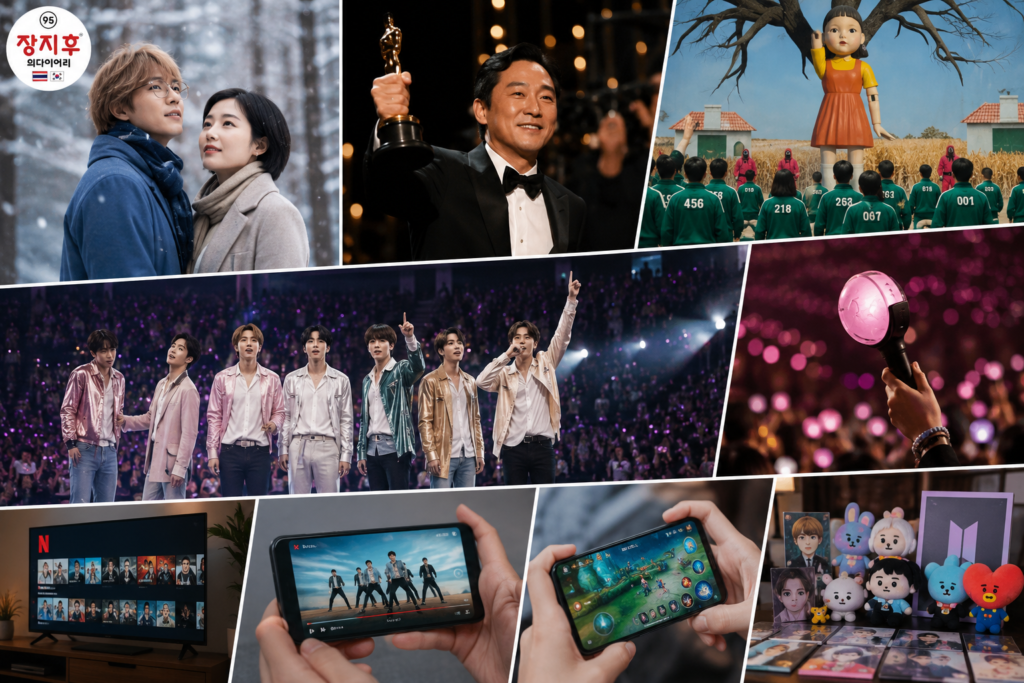
ทุกแบรนด์เริ่มที่การรับรู้ เกาหลีเริ่มด้วยการเล่าเรื่อง จาก Winter Sonata (2002) ที่จุดกระแส Hallyu ในเอเชีย สู่ Parasite (2019) หนังเอเชีย/ไม่ใช่ภาษาอังกฤษเรื่องแรกที่คว้า Oscar สาขาภาพยนตร์ยอดเยี่ยม และ Squid Game (2021) ที่กลายเป็นปรากฏการณ์โลก กลยุทธ์เบื้องหลังคือ Cross-Media (ละคร→เพลง→เกม→แอนิเมชัน→เมอร์ช), Global Distribution (YouTube, Netflix, Disney+) และ Fandom Economy (พลังแฟนอย่าง ARMY, BLINK) — K-Content คือจุดสัมผัสแรกที่ทำให้คนรู้จักเกาหลี
2. K-Beauty: ให้โลกได้สัมผัสเกาหลีจริง

เมื่อคนสนใจแล้ว ขั้นต่อไปคือประสบการณ์ที่จับต้องได้ เกาหลีนำเทรนด์ความงาม ตั้งแต่ BB cream, cushion foundation ไปจนถึงมาสก์หน้า Amorepacific ขายใน Sephora สหรัฐฯ และ Olive Young ประกาศเปิดสาขาแรกในสหรัฐฯ ปี 2026 กลยุทธ์คือคงเอกลักษณ์เกาหลี (เช่น Sulwhasoo ชูโสมและสมุนไพร), ดีไซน์น่ารักใช้ง่าย และ Global KOL/Idol Marketing (เช่น Hera เลือก Jennie BLACKPINK เป็นแอมบาสเดอร์)
3. K-Culture: สร้างตัวตนและคุณค่าที่ลึกขึ้น
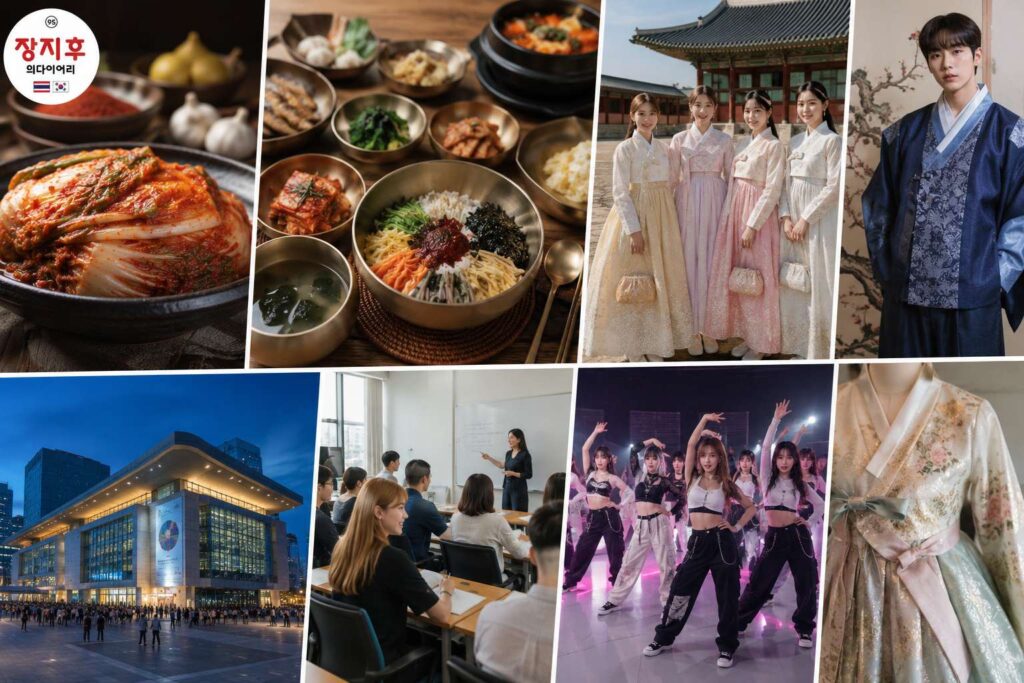
จากการใช้สินค้า คนเริ่มอยากเข้าใจวัฒนธรรมเกาหลีจริง ๆ ทั้ง K-Food (Global Hansik Campaign, กิมจิเป็น superfood ระดับโลก) และ K-Fashion (ฮันบกที่ถูกทำให้ทันสมัย ไอดอลใส่ใน MV และช่วงชูซอก ใส่เข้าพระราชวังฟรี) กลยุทธ์ soft power ได้แก่ Cultural Diplomacy (ศูนย์วัฒนธรรมเกาหลีทั่วโลก รวมถึงในไทย), Language & Education (ใช้ภาษาเป็นเครื่องมือ) และ Cultural Hybridization (ผสมเก่ากับใหม่)
4. K-Travel: ให้คนได้สัมผัสและจดจำของจริง
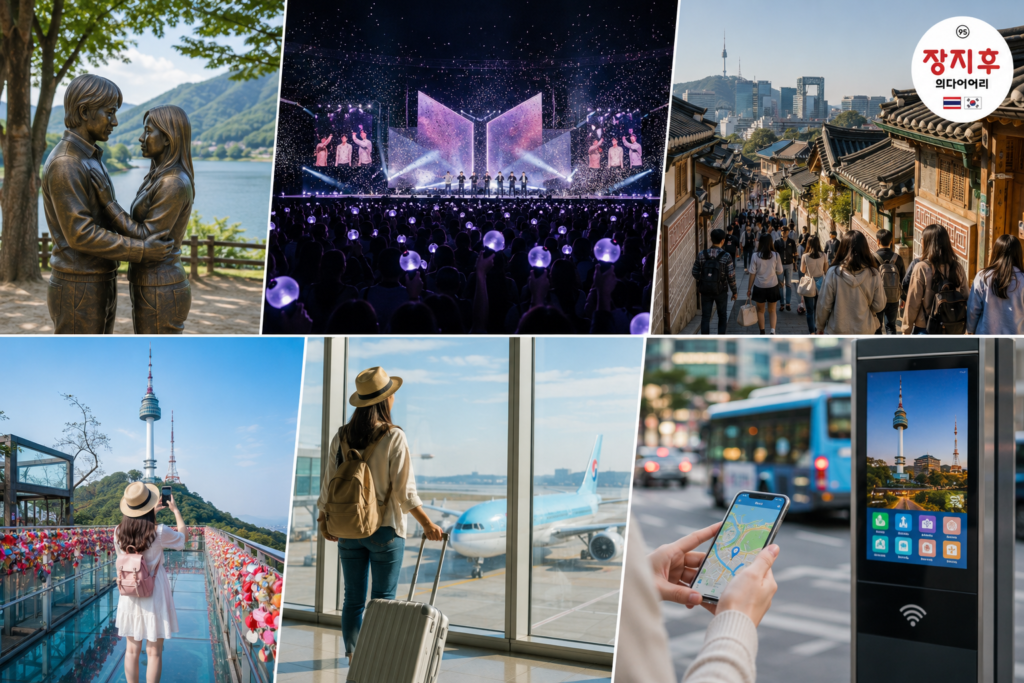
บทสรุปของ journey คือการเดินทาง ทั้ง ตามรอยโลเคชั่นซีรีส์ (เช่น รูปปั้นนักแสดงที่เกาะนามิ), K-Pop Tourism (บินไปดูคอนเสิร์ตศิลปิน) และแคมเปญรัฐอย่าง Visit Korea Year 2023–2024 กลยุทธ์ได้แก่ Storytelling ปลายทาง, Celebrity-Driven Campaign และ Smart Tourism (ลงทุนเทคโนโลยีเพื่อประสบการณ์ที่ดีที่สุด)
| เส้นทาง | บทบาทในเชิงแบรนด์ |
|---|---|
| K-Content | Awareness — ทำให้โลกรู้จัก (ดู) |
| K-Beauty | Experience — ได้ลองใช้จริง (ใช้) |
| K-Culture | Identity/Value — เข้าใจลึกขึ้น (เรียนรู้) |
| K-Travel | Loyalty — สัมผัสและจดจำ (ไปเยือน) |
สรุป: เกาหลีวางแบรนด์เป็น funnel ที่แม่นยำเหมือนบริษัทระดับโลก จาก “ดู → ใช้ → เรียนรู้ → ไปเยือน” เปลี่ยนคำว่า Korea ให้กลายเป็น Global Brand ที่ทุกคนอยากรู้จักและอยากสัมผัส — และยังกระตุ้นเศรษฐกิจในประเทศไปพร้อมกัน
🇬🇧 Korea as a Brand: How a Country Markets Itself to the World
We usually think of brands as products — but a country can build a brand too, and South Korea has done it so clearly the whole world remembers. This article is summarized from “Korea as a Brand” on the Diary of Jang Jihoo channel, which frames the Hallyu wave as a deliberate national marketing strategy designed like a global corporation, across four key pathways.
1. K-Content: building awareness through storytelling
Every brand starts with awareness, and Korea began with storytelling: from Winter Sonata (2002), which sparked Hallyu across Asia, to Parasite (2019), the first Asian and first non-English film to win the Best Picture Oscar, to Squid Game (2021), a global phenomenon. The strategies behind it: Cross-Media (drama→music→games→animation→merch), Global Distribution (YouTube, Netflix, Disney+), and the Fandom Economy (fan power like ARMY and BLINK). K-Content is the first point of contact with Korea.
2. K-Beauty: letting the world experience Korea firsthand
Once people are engaged, the next step is a tangible experience. Korea leads beauty trends — from BB cream and cushion foundation to sheet masks. Amorepacific sells at Sephora in the US, and Olive Young announced its first US branch in 2026. The strategies: keep a Korean identity (e.g., Sulwhasoo’s ginseng and herbs), cute practical design, and Global KOL/Idol Marketing (e.g., Hera choosing BLACKPINK’s Jennie as ambassador).
3. K-Culture: building identity and deeper value
From using products, people start wanting to understand Korean culture — through K-Food (the Global Hansik Campaign; kimchi as a global superfood) and K-Fashion (hanbok modernized, worn by idols in MVs and at Chuseok, free palace entry). The soft-power strategies: Cultural Diplomacy (Korean Cultural Centers worldwide, including in Thailand), Language & Education, and Cultural Hybridization (blending old and new).
4. K-Travel: touching and remembering it for real
The climax of the journey is travel — filming-location tourism (e.g., actor statues on Nami Island), K-Pop tourism (flying in for concerts), and government campaigns like Visit Korea Year 2023–2024. The strategies: destination storytelling, Celebrity-Driven Campaigns, and Smart Tourism (investing in tech for the best travel experience).
| Pathway | Role in the brand funnel |
|---|---|
| K-Content | Awareness — put Korea on the map (watch) |
| K-Beauty | Experience — try it firsthand (use) |
| K-Culture | Identity/value — understand deeper (learn) |
| K-Travel | Loyalty — touch and remember (visit) |
Bottom line: Korea designed its brand as a precise funnel, just like a global corporation — from “watch → use → learn → visit” — turning “Korea” into a global brand everyone wants to know and experience, while boosting its domestic economy along the way.
เรื่องราวของจางจีฮูผู้ตกหลุมรักเกาหลีแบบไม่มีเหตุผล และยังคงหาเหตุผลไม่ได้ 💙 🇰🇷 ♥️
ฝากติดตามกันด้วยน้าาา
구독해 주세요.
Don’t forget to subscribe.
Blog : 🖱 http://www.jangjihoo.com/
Facebook : 👍 https://www.facebook.com/jangjihoo
Instagram : 📸 https://www.instagram.com/jangjihoo/
YouTube : 🎬 http://bit.ly/JJHYouTube
TikTok : 🎞 https://www.tiktok.com/@diaryofjangjihoo
LINE : 📲 https://lin.ee/9zoWAkI
Inbox : 📩 http://m.me/jangjihoo
💬 คุณรู้จักเกาหลีครั้งแรกผ่านเส้นทางไหน — ซีรีส์ เพลง สกินแคร์ หรืออาหาร? มาเล่าให้จางจีฮูฟังในคอมเมนต์กันน้า~
#DiaryofJangJihoo #장지후의다이어리 #ไดอารี่ของจางจีฮู #Kinfluencer #Branding #Marketing #SoftPower #Hallyu